Search


Search


Guides & Fact Sheets

Free
This information sheet is one in a series about child welfare, written for First Nations developing child and family prevention services as part of the systemic reform underway across Canada. It provides information on sexual abuse itself, including prevalence, factors influencing disclosure and secrecy, consequences for children, and existing prevention and intervention programs.
- Created by Delphine Collin-Vézina.
Guides & Fact Sheets

Free
This page offers various information on intergenerational trauma such as definitions, examples, its origin, and ways to healing.
- Created by Inner Balance Counseling.
Guides & Fact Sheets

The following interventions, presented in a serie of fact sheets, have been developed specifically for Complex Trauma and were designed to address a range of developmental concerns and competencies. Some intervene individually with children, adolescents, or young adults, while others involve work with children and their caregivers together, or with the entire family.
- Created by the National Child Traumatic Stress Network.
Guides & Fact Sheets
This fact sheet provides information on the long-term consequences that children may develop when experiencing child abuse or neglect.
- Created by the Child Welfare Information Gateaway.
Guides & Fact Sheets
This page provides information on how neglect during childhood can impact individuals, including definition, statistics, consequences on the brain and comparison with other type of maltreatment.
- Created by the Center on the Developing Child.
Guides & Fact Sheets
This booklet provides the tools to ensure a sporting environment free of chaos, disruption and trauma.
- Created by the Center for Healing and Justice Through Sport (CHUS) in partnership with Dr. Bruce D. Perry and the Neurosequential Network.
Guides & Fact Sheets
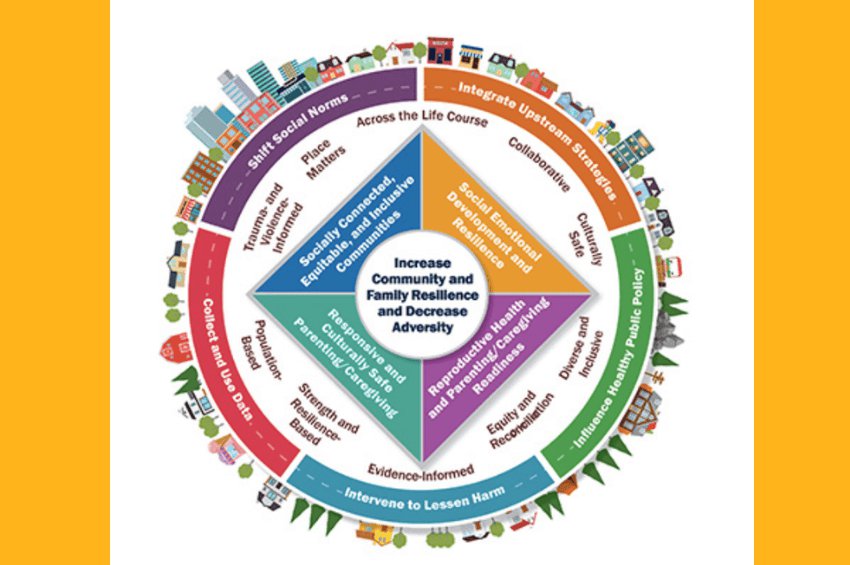
Free
This guide offers a better understanding of the Ontario Early Adversity and Resilience Framework, which is a call for collective action across sectors to work together to develop innovative and meaningful solutions to prevent adversity, strengthen protective factors, build resilience, and support healing in families and communities. The guide presents an understanding of early adversity and resilience, the disproportionate populations affected by adversity, the public health approach to prevent adversity, and the guiding principles of the Ontario Early Adversity and Resilience Framework.
- Created by the Public Health Ontario Adverse Childhood Experiences and Resilience (ACER) Community of Practice.
Guides & Fact Sheets

This fact sheet discusses the nature of trauma, its effects on children and youth, and ways to help your child. By increasing your understanding of trauma, you can help support your child’s healing, your relationship with him or her, and your family as a whole.
- Created by Child Welfare Information Gateway.
Guides & Fact Sheets

This page provides information on how early, hurtful experiences can cause children to see the world differently and react in different ways. Some children who have been adopted or placed into foster care need help to cope with what happened to them in the past. Knowing what experts say about early trauma can help you work with your child.
- Created by Healthy Children.
Guides & Fact Sheets
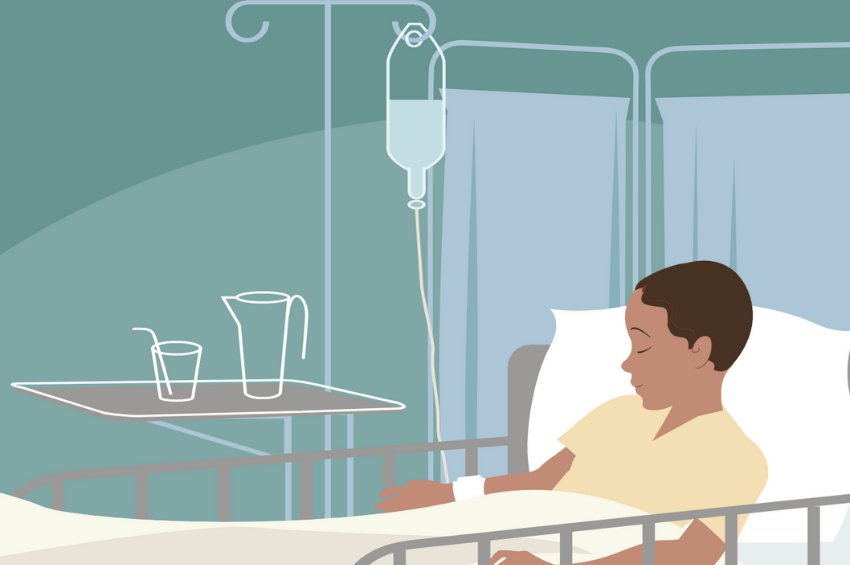
This guide offers a compendium of tools to guide medical professionals in effectively assessing and treating medical traumatic stress in children and families. It helps providers address the emotional, as well as the physical side of trauma. The guide is also anchored by the D-E-F Protocol for trauma-informed care, which helps providers respond to Distress, offer Emotional support, and ensure Family-centered care for traumatized children and families. It includes guidebooks on implementing trauma-informed care, with case studies and examples, as well as complimentary patient handouts for children and parents with evidence-based tips and activities.
- Created by the Center for Pediatric Traumatic Stress, the National Child Traumatic Stress Network and The Children's Hospital of Philadelphia.