Search


Search


Guides & Fact Sheets

This toolkit provides school administrators, teachers, staff, and concerned parents with basic information about working with traumatized children in the school system.
- Created by the National Child Traumatic Stress Network.
Guides & Fact Sheets

This guide provides information on various topics related to complex trauma, such as effects, screening and assessment, and interventions to prioritize.
- Created by The National Child Traumatic Stress Network.
Guides & Fact Sheets

This fact sheet helps parents and caregivers recognize the signs and symptoms of complex trauma and offers recommendations on how to help children heal.
- Created by the National Child Traumatic Stress Network.
Guides & Fact Sheets

This fact sheet provides information for staff in residential treatment centers on how to understand behavior through a trauma lens, as well as recommendations for directors and administrators on trauma-informed residential policies, staff training and self-care, as well as the developmental and educational needs of youth.
- Created by the National Child Traumatic Stress Network.
Guides & Fact Sheets

This fact sheet helps educators and school staff recognize the signs and symptoms of complex trauma and offers recommendations on how to help students heal.
- Created by the National Child Traumatic Stress Network.
Guides & Fact Sheets

This fact sheet details the importance of a holistic, multidisciplinary, multi-level approach to addressing the needs of youth with complex trauma in residential treatment settings. This fact sheet offers general guidelines for treatment providers, challenging them to “avoid a view of youth behavior that is limited solely to behavior management.”
- Created by the National Child Traumatic Stress Network.
Guides & Fact Sheets

This document provides a table of standardized measures that are appropriate for children and families dealing with complex trauma.
- Created by the National Child Traumatic Stress Network.
Guides & Fact Sheets

Free
Developed as part of the Ontario Early Adversity and Resilience (OEAR) Framework, this topic summary explores the connections between chronic disease, early adversity, and resilience. It emphasizes the importance of supportive environments and protective factors in promoting lifelong health and reducing the risk of chronic disease.
- Created by the Public Health Ontario Adverse Childhood Experiences and Resilience (ACER) Community of Practice.
Guides & Fact Sheets
Free
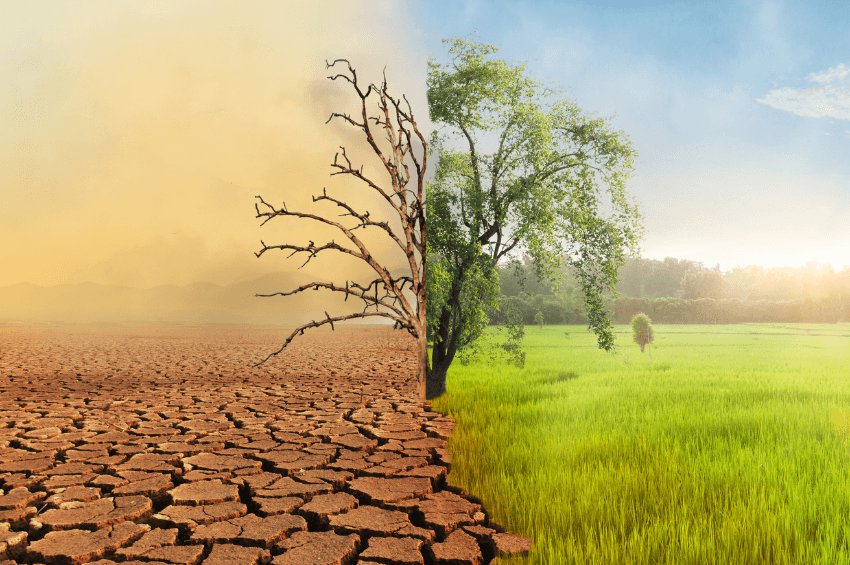
Developed as part of the Ontario Early Adversity and Resilience (OEAR) Framework, this topic summary examines the links between climate change, early adversity, and resilience. It highlights how climate-related challenges can affect children’s development and well-being, while offering strategies to strengthen protective factors and support resilience in families and communities.
- Created by the Public Health Ontario Adverse Childhood Experiences and Resilience (ACER) Community of Practice.
Guides & Fact Sheets

Free
Developed as part of the Ontario Early Adversity and Resilience (OEAR) Framework, this topic summary explores the connections between equity, inclusion and reconciliation, early adversity, and resilience. It highlights how systemic inequities, discrimination, racism, and the ongoing impacts of colonialism can increase exposure to adversity and affect health and well-being across generations, while emphasizing the importance of equity-focused, culturally safe, and inclusive approaches to fostering resilience and supporting healthy communities.
- Created by the Public Health Ontario Adverse Childhood Experiences and Resilience (ACER) Community of Practice.