Search


Search


Books & Articles

This workbook gives parents the ability to explore their own Seven Core issues including - Loss, Rejection, Shame/Guilt, Grief, Identity, Intimacy and Mastery/Control - as well as their child's through varies experiential exercise and activities. Parents can identify and address their core issues in order to more effectively assist and support the child's core issues.
- Created by Sharon Roszia and Allison Davis Maxon.
Books & Articles

This compendium volume collects some of the most recent research and organizes it within three categories: societal effects, effects on health (including mental health) behaviors, and epigenetic effects. Specific topics include the associations between childhood abuse and the following factors: juvenile sexual offending, juvenile delinquency, adult aggression, cognitive development, adult smoking, sleep patterns, suicidal behaviors, psychopathology, and epigenomic mechanisms.
- Created by Dr. Lisa Prock.
Books & Articles

This article, written by Dr. John Read, Dr. Roar Fosse, Dr. Andrew Moskowitz and Dr. Bruce D. Perry, provides information on the evidence that childhood adversities are risk factors for psychosis has accumulated rapidly. Research into the mechanisms underlying these relationships has focused, productively, on psychological processes, including cognition, attachment and dissociation. Indeed, in this article, the literature on biological mechanisms underlying the relationship between childhood trauma and psychosis published since 2001 is summarized.
- Created by the Child Trauma Academy.
Books & Articles

This article explains the harmful effects of verbal abuse on children, and highlights the fact that the repercussions can be just as significant as those experienced by children who have been physically abused.
- Created by Peter Fonagy.
Books & Articles

Trauma and Recovery is revered as the seminal text on understanding trauma survivors. By placing individual experience in a broader political frame, Harvard psychiatrist Judith Herman argues that psychological trauma is inseparable from its social and political context. Drawing on her own research on incest, as well as a vast literature on combat veterans and victims of political terror, she shows surprising parallels between private horrors like child abuse and public horrors like war.
- Created by Dr. Judith Lewis Herman.
Books & Articles

In this article, TF-CBT treatment phases are described and modifications of timing, proportionality and application are addressed for youth with complex trauma.
- Created by Dr. Judith A. Cohen, Dr. Anthony P. Mannarino, Dr. Matthew Kliethermes and Dr. Laura A. Murray.
Books & Articles
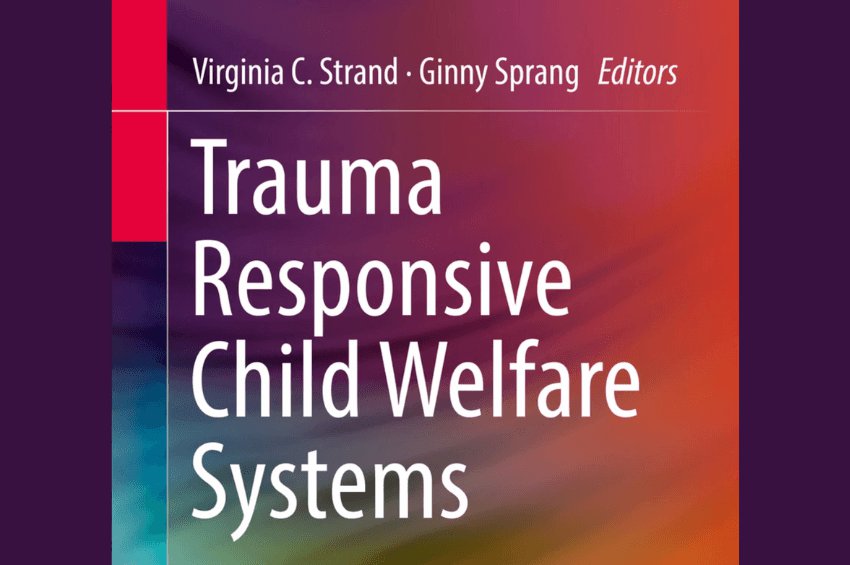
This comprehensive reference offers a robust framework for introducing and sustaining trauma-responsive services and culture in child welfare systems. Organized around concepts of safety, permanency, and well-being, chapters describe innovations in child protection, violence prevention, foster care, and adoption services to reduce immediate effects of trauma on children and improve long-term development and maturation. Foundations and interventions for practice include collaborations with families and community entities, cultural competency, trauma-responsive assessment and treatment, promoting trauma-informed parenting, and, when appropriate, working toward reunification of families.
- Created by Dr. Ginny Sprang and Dr. Virginia C. Strand.
Books & Articles
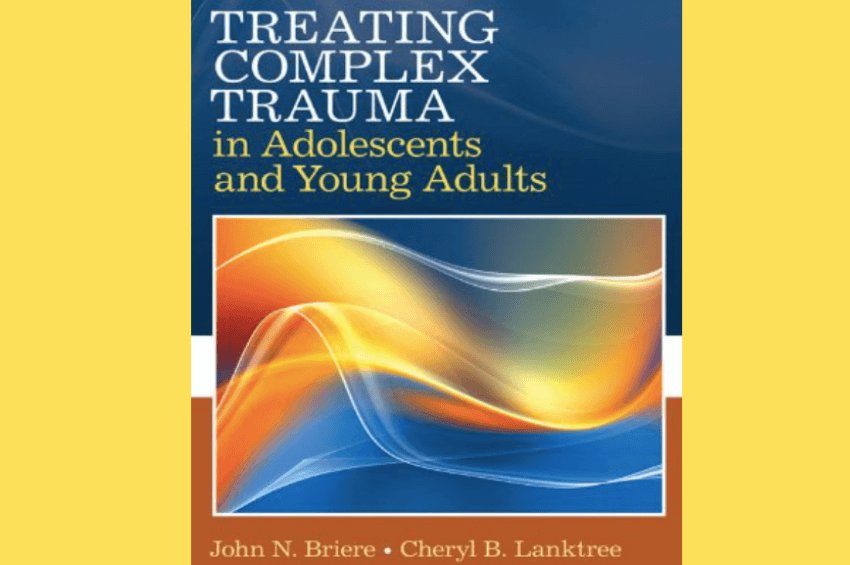
Treating Complex Trauma in Adolescents and Young Adults is the first empirically-validated, multi-component manual to guide practitioners and students in the treatment of multi-traumatized adolescents and young adults. Integrative Treatment of Complex Trauma for Adolescents (ITCT-A) integrates a series of approaches and techniques, which are adapted according to the youth's specific symptoms, culture, and age.
- Created by Dr. John N. Briere and Dr. Cheryl B. Lanktree.
Books & Articles
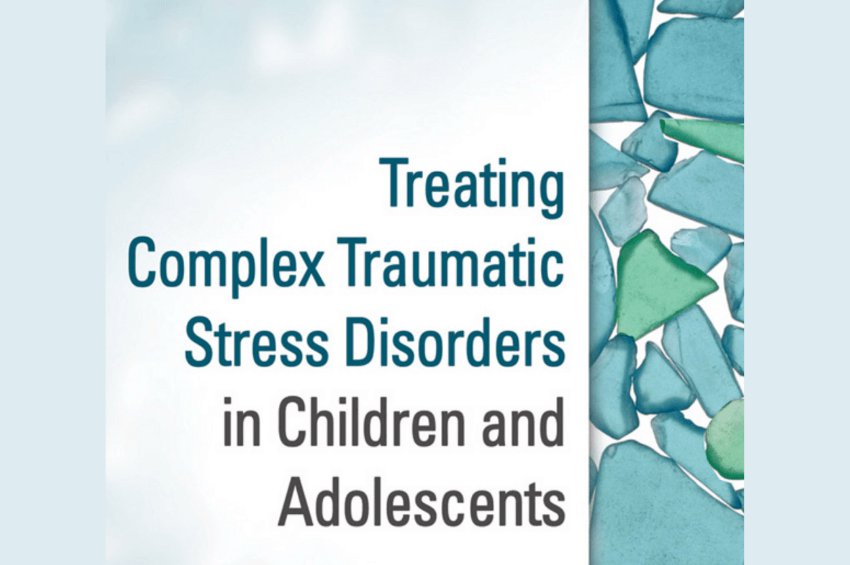
With contributions from prominent experts, this pragmatic book takes a close look at the nature of complex psychological trauma in children and adolescents and the clinical challenges it presents. Each chapter shows how a complex trauma perspective can provide an invaluable unifying framework for case conceptualization, assessment, and intervention amidst the chaos and turmoil of these young patients' lives.
- Created by Dr. Julian D. Ford and Dr. Christine A. Courtois.
Books & Articles
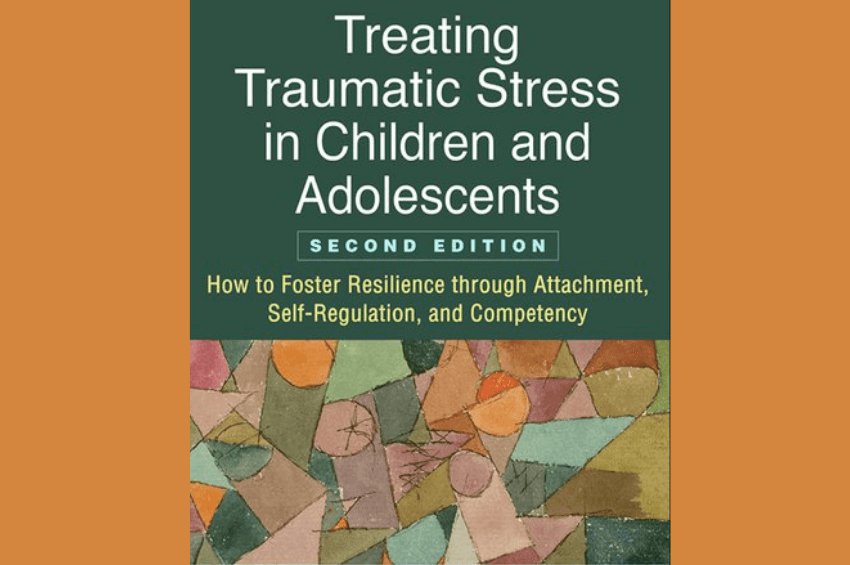
The Attachment, Regulation, and Competency (ARC) framework can be used with children, parents, and other caregivers in a wide range of settings. The volume guides the clinician to identify key treatment goals and intervene flexibly to strengthen child–caregiver relationships and support healthy development and positive functioning. In a large-size format with lay-flat binding for easy photocopying, it is packed with case vignettes and clinical tools, including 79 reproducible handouts and forms.
- Created by Dr. Margaret E. Blaustein and Kristine M. Kinniburgh.