Search


Search


Books & Articles
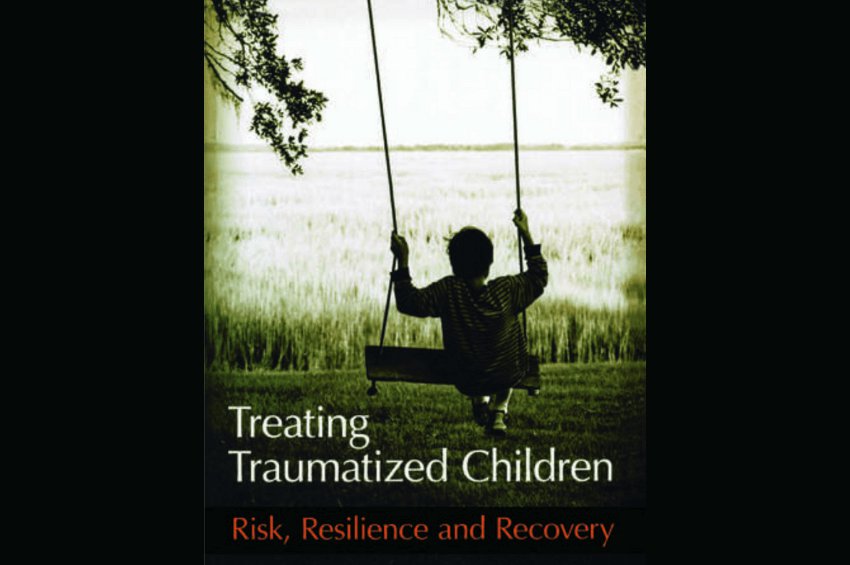
This book discusses risk and protective factors for the development of post-traumatic disorders, conceptualizations of resilience and suggestions for making them operational and evidence-based treatment models for traumatized children. It also helps professionals and researchers develop future treatments based on current evidence.
- Created by Dr. Danny Brom, Dr. Ruth Pat-Horenczyk and Dr. Julian D. Ford.
Books & Articles

This article sheds light on sexual abuse in male and why it is important to listen to them as many barriers to disclosure and myths exist.
- Created by The Conversation.
Books & Articles
Conversations on trauma, resilience, and healing
Our earliest experiences shape our lives far down the road, and What Happened to You?provides powerful scientific and emotional insights into the behavioral patterns so many of us struggle to understand.
- Created by Dr. Bruce Perry and Oprah Winfrey.
Books & Articles
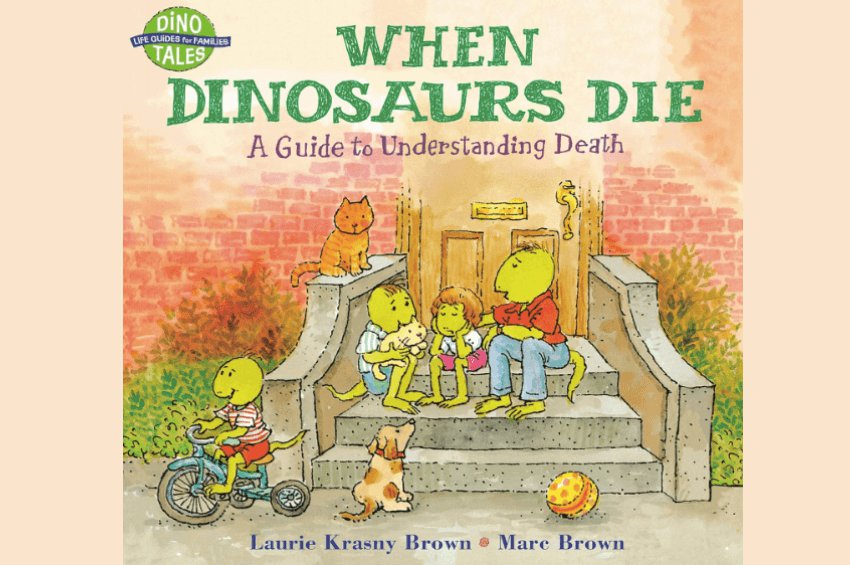
This book s a comforting aid to help young kids and families through a difficult time in their lives. It also helps dispel the mystery and negative connotations associated with death, providing answers to kids' most-often asked questions.
- Created by Laura Krasny Brown.
Books & Articles

This article explores the reasons why kids' mental health is declining with the years, although efforts are made and knowledge on mental health are increasing.
- Created by Michael Ungar.
Books & Articles
20 Skills to Build Resilience
This new edition of Working with Children and Youth with Complex Needs provides detailed descriptions of techniques, ample case studies, fascinating and easy to understand explanations of research, and rich stories of how social workers, psychologists, counselors, child and youth care workers, and other mental health professionals can help young people become more resilient.
- Created by Dr. Michael Ungar.

Guides & Fact Sheets

This article provides tips to help parents regarding their children’s utilization of media, especially ways to avoid sexual encounters online.
- Created by Dr. Sheri Madigan, Dr. Gina Dimitropoulos and Nina Anderson.
Guides & Fact Sheets

This guide, designated for people who advocate for children's rights, provides 16 tips to help praticionners better intervene with this population and their family.
- Created by Renee DeBoard-Lucas, Kate Wasserman, Betsy McAlister Groves, and Megan Bair-Merritt.
Guides & Fact Sheets
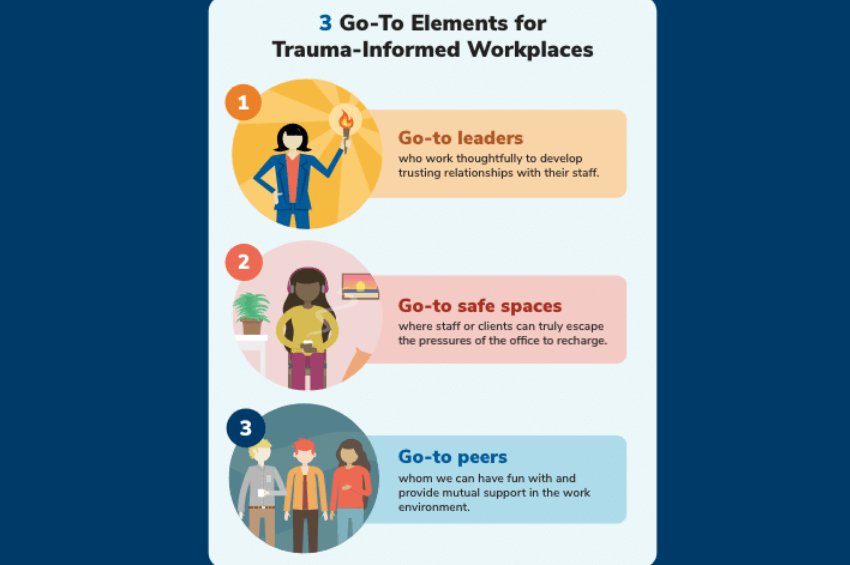
This infographic presents three ways organizations can use to create a trauma-informed environment at work.
- Created by the Crisis and Trauma Resource Institute.
Guides & Fact Sheets

This infographic provides information on a new training for OPHPR employees about the role of trauma-informed care during public health emergencies. The training aimed to increase responder awareness of the impact that trauma can have in the communities where they work. Participants learned SAMHSA’s six principles that guide a trauma-informed approach, including: Safety, Trustworthiness & transparency, Peer support, Collaboration & mutuality, Empowerment & choice, and Cultural, historical & gender issues.
- Created by CDC’s Office of Public Health Preparedness and Response (OPHPR), in collaboration with SAMHSA’s National Center for Trauma-Informed Care (NCTIC).